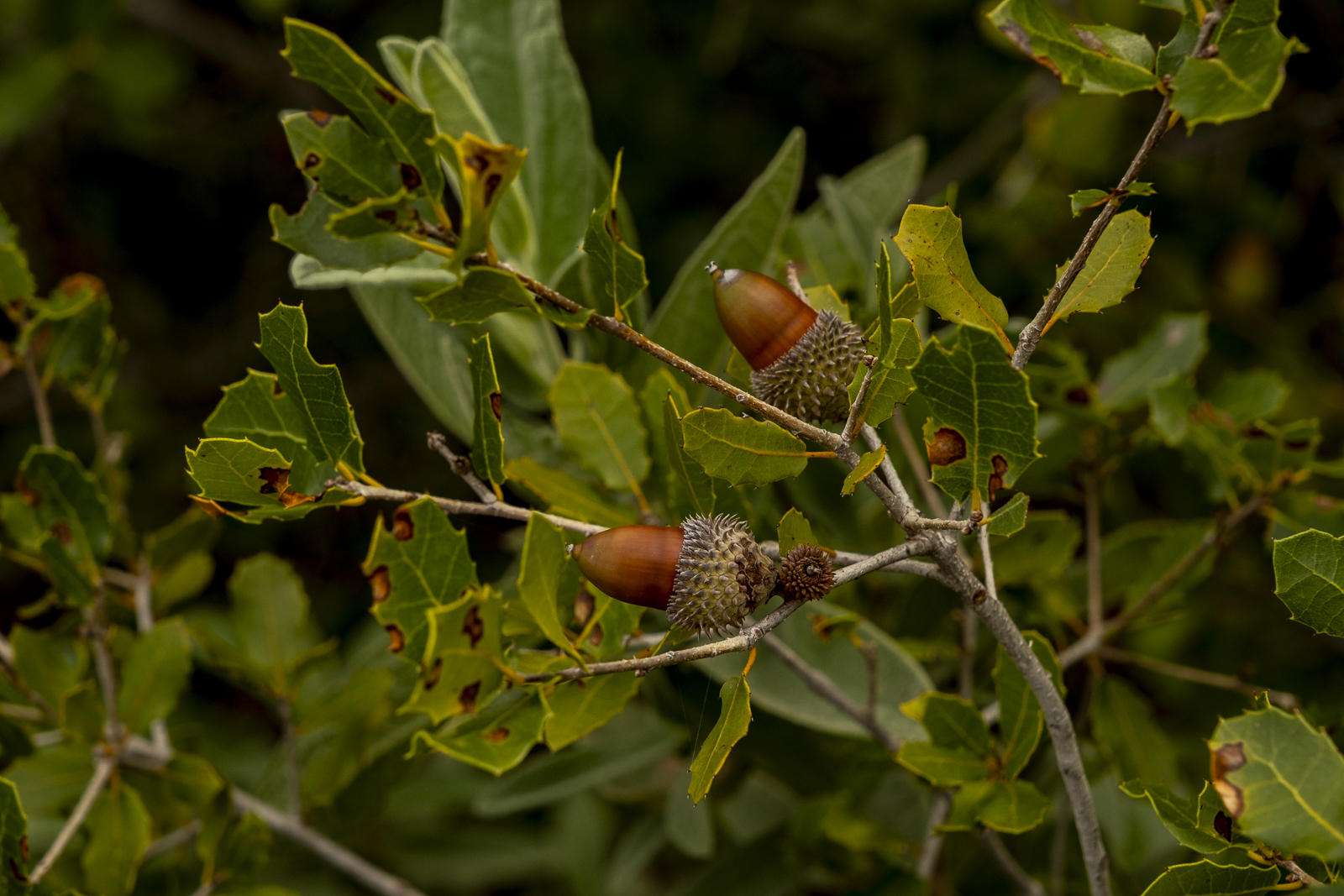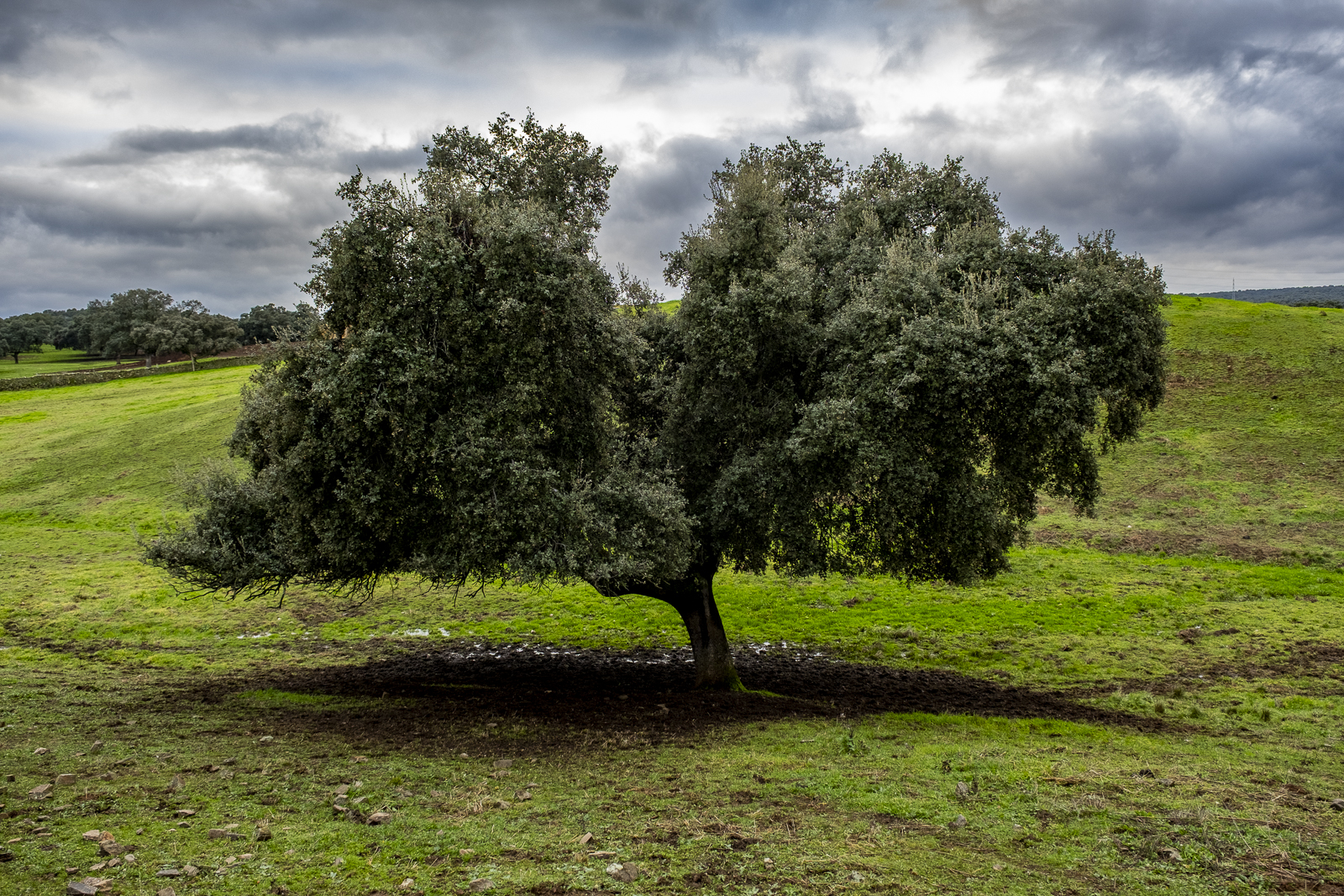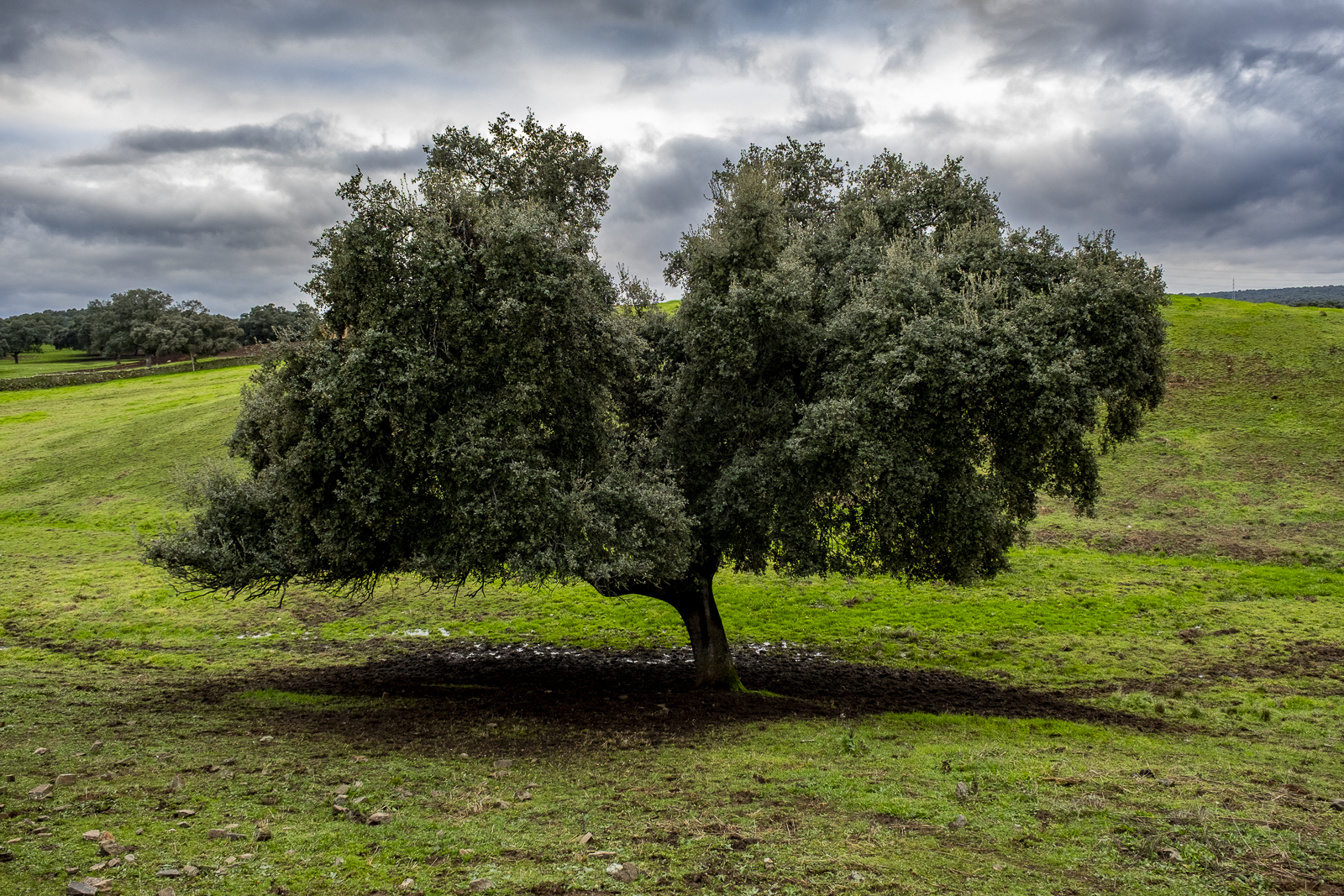


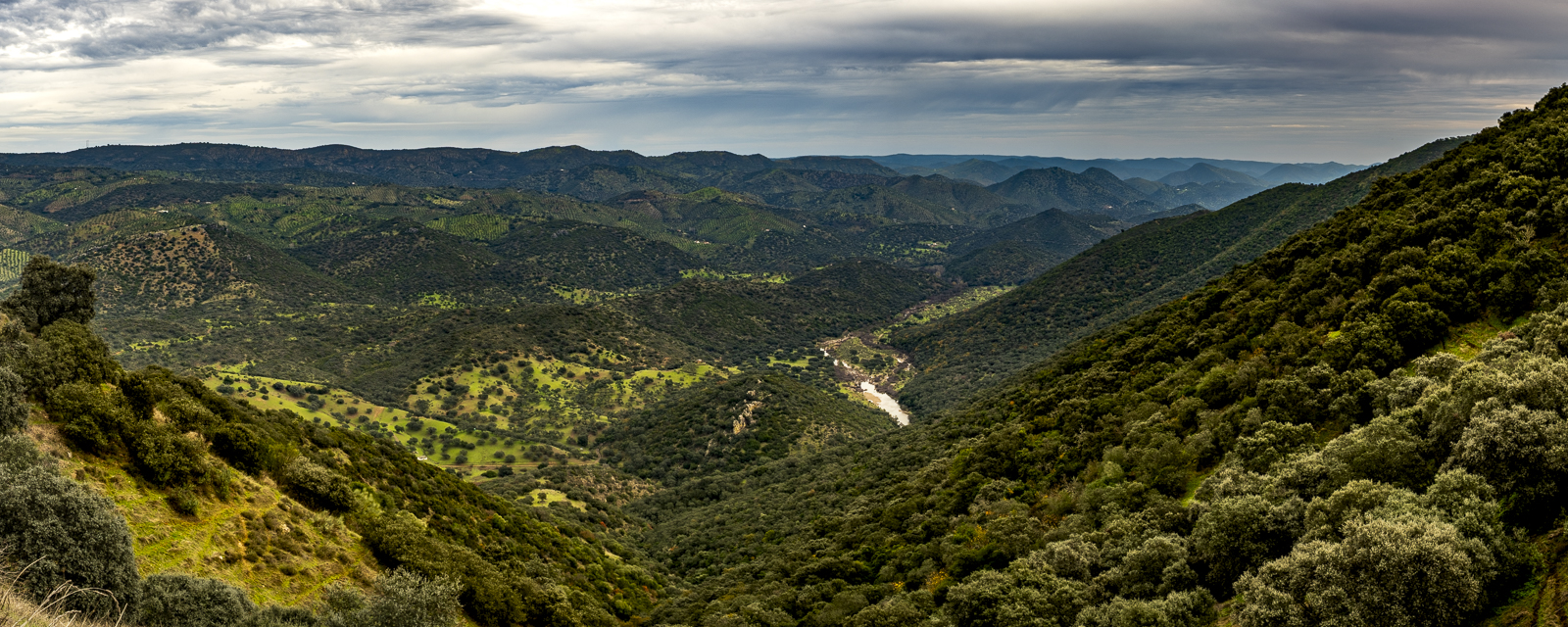
The “Llano de las Bellotas” (Fahs al-Ballut, los Pedroches), which occupied the natural pass towards La Mancha, was in the times of Al-Andalus a district distinct from Córdoba, since the boundaries of today’s provinces do not coincide with those of yesteryear. Arabic sources link this area to a significant Berber population, whose traces are evident in the region’s toponymy: today’s Sierra de Almadén mountains, then called “Montes de los Baranis” (Baranis is a medieval term associated with these groups), as well as other places, Jarawa or Sadfura, corresponding to tribes or sub-groups, which had not been identified until now. Likewise, names such as Mestanza (derived from the Mistasa tribe) or Cuzna (from Kuzna) are a clear reflection of the passage of these people through the area. However, the Berbers of this area are not only found in toponymy, as they are also mentioned as instigators or supporters of uprisings and revolts against the Umayyad rulers.
Important Berber families, such as that of Mundir b. Said al-Balluti al-Kuzni, had their roots in this valley, although they later moved elsewhere, most commonly to the nearby city of Córdoba. As the capital of the Umayyad caliphate, Córdoba was a political, military and intellectual centre and, inevitably, attracted distinguished figures in jurisprudence, the sciences and religious learning. Among them were individuals and families who rose through the social ranks regardless of their Berber origins. Córdoba’s status as a capital city also meant that it witnessed the arrival of numerous Berber contingents from North Africa, particularly during the time of Almanzor (10th century). Medieval authors attributed to these troops a leading and decisive role in the conflicts that culminated in the fall of the Caliphate of Córdoba.
Helena de Felipe
Universidad de Alcalá