




Throughout history, the indigenous populations of North Africa have come into contact with other cultures on the fringes of the Sahara and in the Mediterranean region. From these relationships emerge various designations that inhabit the texts of the past. Of these, the best known is undoubtedly the historical ethnonym “Berber”, used for both the language and its speakers. The origin of the term (linked to Greek, meaning foreigner, and to the Latin “barbarus“) has led individuals and communities claiming this ancestry to use the word “amazigh”, which in their own language means “free man”.
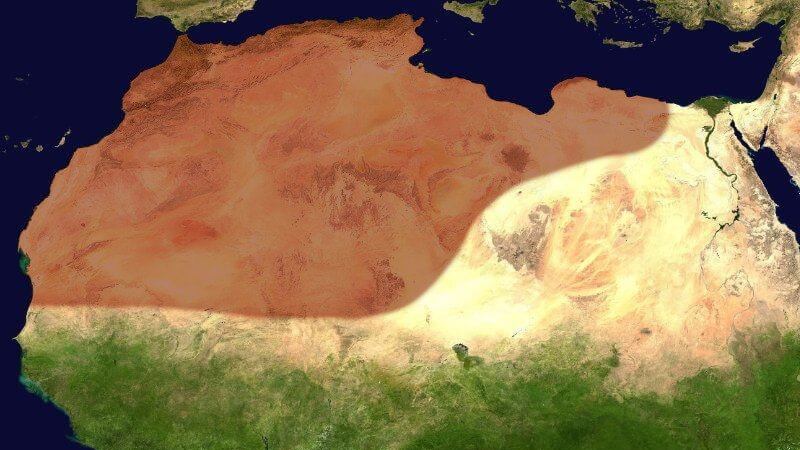
The Amazigh peoples are extremely diverse both historically and culturally, mainly due to the vast territory traditionally linked to them, which stretches from the Siwa Oasis (where they still have their own language) to the Canary Islands, and from the Mediterranean to the Niger basin. It is a vast space occupied by the Kabyle People of Algeria, the Tuareg of the Sahara and the Sahel, the Nafusi of Libya, and the Riffians of Morocco, among others.
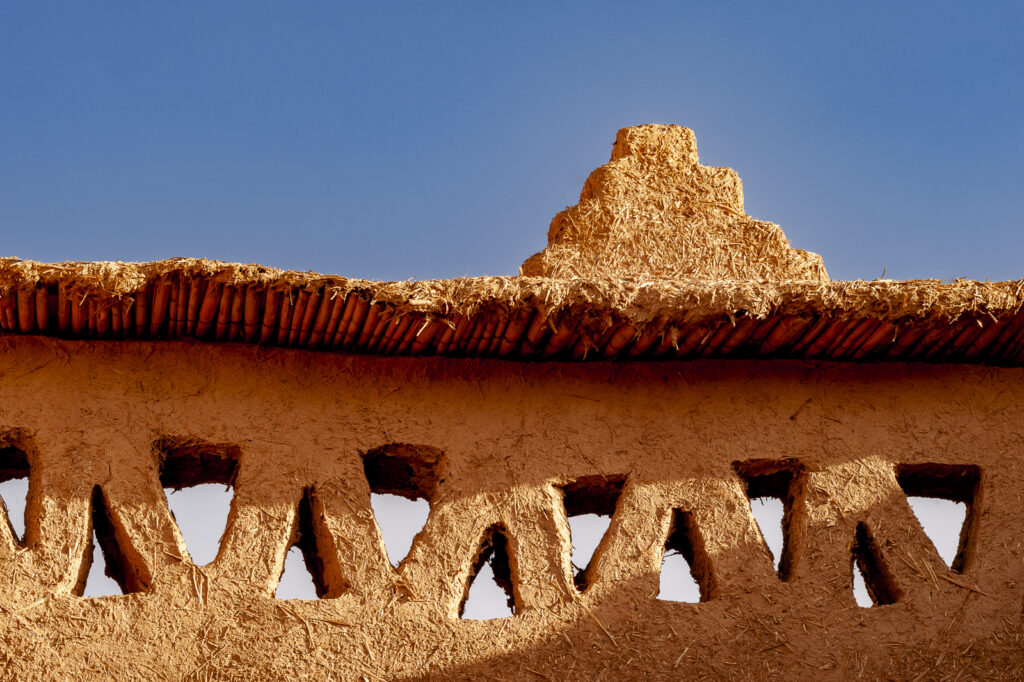
Their adaptation to the various geographical environments has produced notable cultural and artistic differences. Of course, the historical processes in the Maghreb have not affected all these peoples in the same way. Their present-day cultures tell us not only of the various fusions and hybridisations that have taken place at all levels, but also of the preservation over the centuries of the distinctive characteristics perceptible to all.
Helena de Felipe
University of Alcalá